Your heart sinks. You reach into your bag at the airport, the hotel check-in desk, or a busy market — and your passport is gone. Maybe it was stolen. Maybe you left it in the last taxi. Either way, you're in a foreign country without the one document that proves who you are and allows you to go home.
Take a breath. This situation is stressful, but it is manageable. Every year, thousands of travellers lose their passports abroad and make it home safely. The key is knowing exactly who to contact and in what order. Here is your step-by-step guide.
Step 1: Stop and Search Thoroughly First
Before escalating, make sure the document is actually missing. Check every pocket, every bag compartment, your hotel safe, and your luggage. Call the last taxi company, restaurant, or attraction you visited. Hotels and transport providers hold lost property regularly — a quick phone call has reunited many travellers with their passports.
Step 2: Report It to the Local Police
If the document is genuinely lost or stolen, your next step is to file a police report. Go to the nearest police station and report the loss or theft as soon as possible. Ask for a written copy of the report — this is critical. Your embassy will require it, and your travel insurance will almost certainly require it too before they'll reimburse any costs.
If you don't speak the local language, ask your hotel concierge to help you communicate with police, or use a translation app. Most tourist-facing police stations in popular destinations are accustomed to helping travellers in exactly this situation.
Step 3: Contact Your Country's Embassy or Consulate
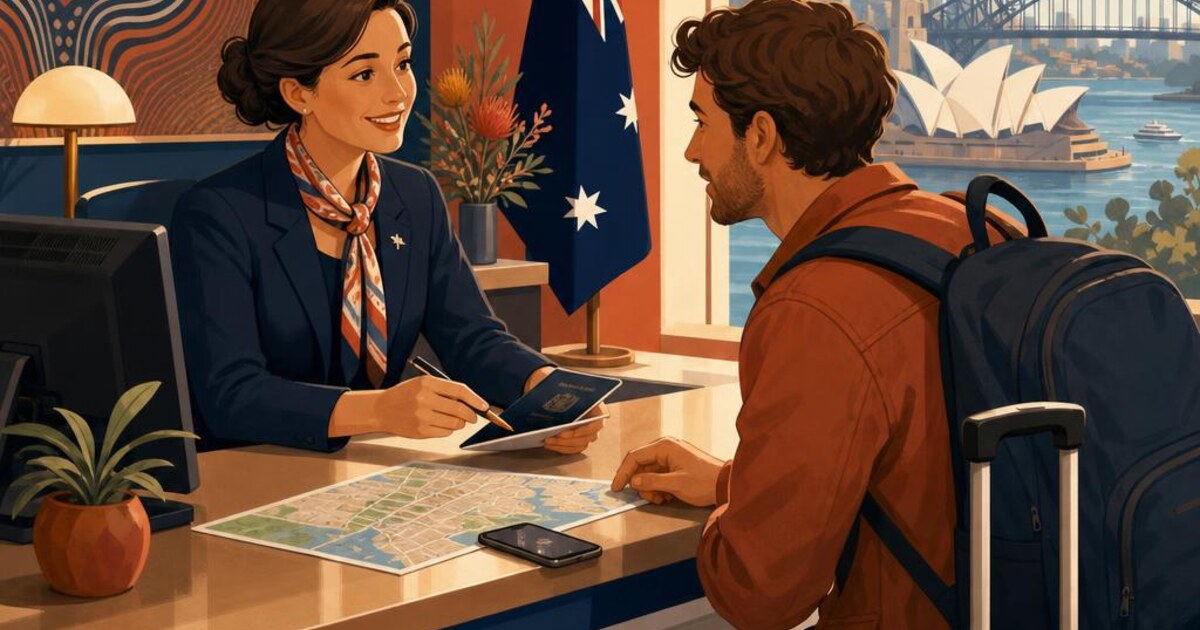
This is the most important call you'll make. Your government's embassy or consulate can issue an Emergency Travel Document (ETD) — sometimes called an emergency passport — that allows you to travel home. Contact them as soon as you have your police report in hand.
Most embassies have a 24-hour emergency line for citizens in distress. Look up the number before you travel and save it in your phone — and ideally write it down somewhere separate from your phone.
- Australians abroad: contact the Australian Embassy or consulate in your destination country. In a life-threatening emergency, call the 24/7 Consular Emergency Centre on +61 2 6261 3305.
- Britons abroad: contact the nearest British Embassy, High Commission, or Consulate. The Foreign, Commonwealth & Development Office (FCDO) also runs a 24/7 helpline: +44 20 7008 5000.
- Americans abroad: contact the nearest U.S. Embassy or Consulate. The U.S. State Department's emergency line is +1 202 501 4444.
- Canadians abroad: contact the nearest Canadian Embassy or Consulate, or call the Emergency Watch and Response Centre: +1 613 996 8885.
- New Zealanders abroad: contact the nearest New Zealand Embassy or High Commission, or call the Ministry of Foreign Affairs & Trade: +64 4 439 8000.
When you contact the embassy, they will guide you through what to bring to your appointment. Typically this includes: your police report, proof of citizenship (a photo of your passport is extremely helpful here), proof of onward travel such as a flight booking, and passport photos. Many embassies can process emergency documents within 24–48 hours.
Step 4: Call Your Travel Insurance Provider
If you have travel insurance — and you should — call your insurer as soon as possible. Most comprehensive travel insurance policies cover the costs associated with replacing a lost or stolen passport, including emergency document fees, additional accommodation while you wait, and rebooking fees if you miss your original flight.
Have your policy number ready, and make sure you have already filed the police report before you call, as that is typically a mandatory requirement for any claim.
Step 5: Contact Your Airline
Once you have an estimated date for your emergency travel document, contact your airline. Explain the situation clearly. Most major airlines have policies for exactly this scenario and can reschedule your flight — sometimes without a change fee — especially with documentation from the police and embassy. If your original ticket was fully cancelled, a new one-way fare to get home may be reimbursable through your travel insurer.
Who Can Help You Locally
Beyond the official channels, don't underestimate the people immediately around you.
- Your hotel concierge: an experienced concierge has seen this before. They can help you navigate local bureaucracy, find the nearest police station, arrange transport to the embassy, and source passport photos.
- Your tour operator or travel agent: if you're on a package or agent-managed trip, contact them immediately. They have local contacts and a professional obligation to assist.
- Fellow travellers: in hostels or group trips, other travellers can be a practical lifeline — sharing local SIM data so you can make calls, accompanying you for safety, or simply knowing the lay of the land better than you do.
- Local tourist police: many major tourist destinations have a dedicated tourist police unit that operates in English and specialises in assisting foreign visitors.
How to Make Sure This Never Derails You Again
The best defence against a lost passport is preparation before you travel. A few simple habits can make an enormous difference if the worst happens.
- Keep a photo of your passport's bio-data page saved securely on your phone and backed up to cloud storage.
- Email yourself a copy of your passport, visa, travel insurance policy, and key booking confirmations before you depart.
- Store your emergency contact numbers — embassy, insurer, airline — somewhere separate from your physical documents.
- Use a travel organiser app to keep a digital record of every booking, reference number, and document in a single place you can access from any device.
The Travel Planner lets you store all your trip details — flights, hotels, tours, transport, and passport information — in one organised itinerary. When you're sitting in a police station in an unfamiliar city trying to remember your booking reference number, having everything in one place is worth its weight in gold.
Good preparation is also one of the qualities that separates a genuinely great holiday from a stressful one. Our piece on what exactly makes a trip great looks at the habits and mindsets that experienced travellers build into every journey — starting well before departure.
A Final Word
Losing your travel documents overseas is frightening, but it is rarely the end of the trip. Embassies exist specifically to help their citizens in situations like this. Police issue reports every day. Airlines rebook passengers. Insurers pay claims. The system, for all its bureaucracy, does work — and it works faster when you know who to call and what to bring.
Stay calm, act quickly, and know that you are not the first traveller to stand in that moment of panic — and you won't be the last. You will get home.